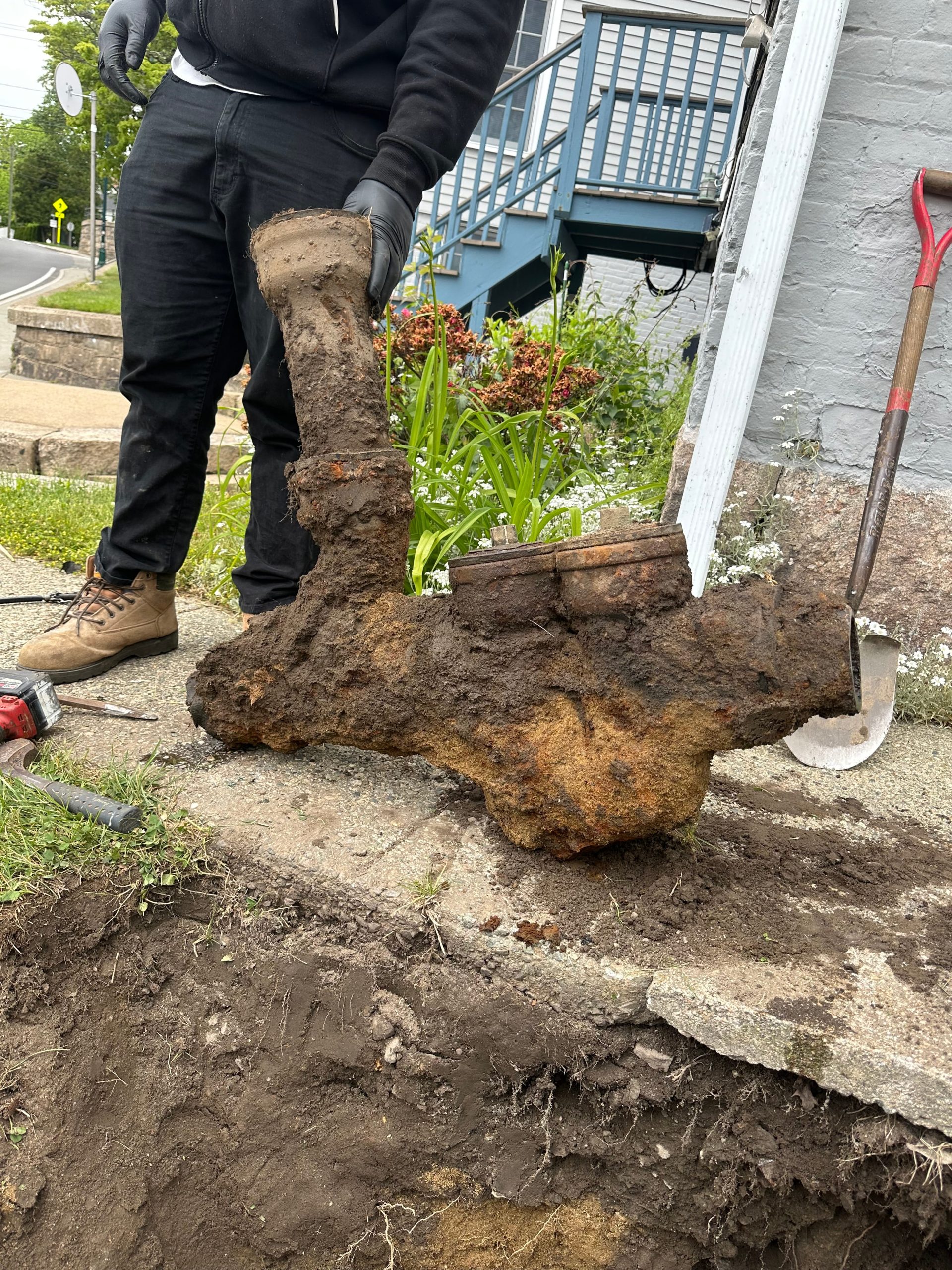
Why Do Older Homes in Southeastern Connecticut Have Buried Sewer Traps? Understanding Sewer Trap Function and Maintenance
By Kevin Olenik, Superior Sewer & Drain Service
In older homes, particularly in Southeastern Connecticut, buried sewer traps serve crucial functions in managing wastewater and preventing hazardous sewer gases from infiltrating living spaces. These systems, while often overlooked, play a vital role in the plumbing integrity of a home. This article explores the mechanics of buried sewer traps, their historical context, potential maintenance issues, and the implications for homeowners dealing with these systems. Readers will learn not only about the functions of these traps but also about the risks associated with them and proactive strategies for maintenance. We will cover essential topics including the function and locations of buried sewer traps, historical influences on their installation, the risks of trap failure, techniques for sewer camera inspections, and effective maintenance practices to prevent sewer backups.
What Is the Function of Buried Sewer Traps in Older Homes?
Buried sewer traps serve several essential functions in older homes, acting primarily as a defense mechanism against sewer gases and as a safeguard for sewer line integrity. These traps utilize water to create a barrier that blocks harmful gases and odors from entering homes. By understanding their operation, homeowners can better appreciate the significance of maintaining these systems. The proper functioning of sewer traps ultimately contributes to a safer and healthier living environment.
How Do Sewer Traps Prevent Sewer Gas Entry and Backups?
Sewer traps utilize a simple but effective mechanism: they hold a specific amount of water that closes off the sewer pipe, preventing gases from escaping into the home. Without this water barrier, harmful sewer gases, such as methane and hydrogen sulfide, could easily enter living spaces, posing health risks. A well-maintained trap is crucial for mitigating these potential dangers and ensuring proper functioning of the wastewater system. The significance of sewer traps extends beyond preventing odors; they play a pivotal role in maintaining indoor air quality and overall household safety.
What Are Common Locations of Buried Sewer Traps in Southeastern Connecticut Homes?
Historically, buried sewer traps are commonly found near the foundation of older homes in Southeastern Connecticut, usually positioned beneath basements or in conjunction with the main sewer line. Their placement was influenced by early plumbing practices aimed at maximizing drainage efficiency while minimizing the risk of sewer gas entry. Understanding these locations aids homeowners in identifying potential access points for maintenance or inspection, ensuring the longevity of their plumbing systems.
Why Were Sewer Traps Buried in Older Homes in Southeastern Connecticut?
The burial of sewer traps in older homes can be traced back to historically favored plumbing practices and regional regulations that shaped construction norms. These traps were often installed as precautionary measures to combat the challenges associated with managing sewer gases, a reflection of the plumbing technologies available at the time.
What Historical Plumbing Practices Influenced Buried Trap Installation?
Early plumbing systems focused on efficient waste disposal and minimizing backflow. These practices influenced the decision to bury traps, as they provided a necessary safeguard within the constraints of the plumbing technology available. Over time, the continued reliance on these historical practices has resulted in the prevalence of buried sewer traps in many older homes, raising particular concerns among new homeowners about the maintenance and functionality of such systems.
How Did Municipal Plumbing Codes Shape Sewer Trap Location Choices?
Municipal plumbing codes developed over decades dictated where sewer traps could be installed, influencing their burial locations. Various regulations aimed to standardize waste management practices, leading to the strategic placement of traps in areas less accessible but deemed necessary to ensure effective drainage. These codes evolved to adapt to new plumbing technologies; yet many older homes retain the traps in their historically defined positions, emphasizing the importance of understanding local plumbing practices for effective maintenance.
What Are the Risks and Maintenance Issues Associated with Buried Sewer Traps?
Buried sewer traps in older homes come with various risks and potential maintenance issues, primarily linked to accessibility and the aging of plumbing systems. Homeowners must be aware of these issues to prevent costly repairs and avoid sewer backups.
How Can Trap Failure Cause Sewer Backups in Older Homes?
Trap failure can lead to severe sewer backups, as it disrupts the water seal that blocks sewer gases. Without the protective barrier, homeowners may experience overflowing drains, unpleasant odors, and extensive water damage. Recognizing the early warning signs, such as slow drains or lingering smells, is crucial for mitigating potential plumbing disasters before they escalate into a significant issue.
What Challenges Do Homeowners Face in Maintaining Buried Traps?
One of the primary challenges homeowners face is limited access to buried traps for routine inspections and maintenance. The cost associated with excavating areas to reach these traps can be substantial, often deterring homeowners from necessary upkeep. Additionally, many homeowners lack the knowledge of how to inspect or maintain these systems adequately, which can lead to neglect and increased risk of plumbing failures.
How Are Sewer Camera Inspections Used to Diagnose Buried Sewer Trap Problems?
Sewer camera inspections represent a modern solution for diagnosing issues associated with buried sewer traps. Utilized by plumbing experts, this technology provides a visual assessment of sewer lines and traps, allowing for accurate problem identification without invasive excavation.
What Are Sewer Camera Inspection Techniques for Older Connecticut Homes?
Sewer camera inspections in older homes utilize flexible cameras that can navigate the twists and turns of plumbing pipes, providing real-time footage to plumbing professionals. These state-of-the-art tools enable efficient identification of blockage points, cracks, or other issues affecting sewer functionality. The non-invasive nature of these inspections minimizes disruptions to homeowners while ensuring a thorough examination of the plumbing systems.
How Do Inspections Detect Blockages and Trap Condition Issues?
Sewer camera inspections can identify conditions that may lead to problems, such as blockages caused by invasive tree roots, grease accumulation, or structural issues within the piping system. Through high-resolution imagery, these inspections allow experts to assess the condition of traps and the overall integrity of sewer lines. The ability to pinpoint specific problems helps in devising effective repair strategies, ultimately saving time and costs associated with traditional inspection methods.
What Are Effective Strategies to Prevent Sewer Backups Related to Buried Sewer Traps?
Proactive maintenance is essential for preventing sewer backups in homes with buried traps. Homeowners can implement several strategies to ensure their systems function optimally.
What Sewer Line Maintenance Practices Are Recommended in Southeastern Connecticut?
Regular sewer line maintenance includes establishing a routine inspection schedule to identify potential issues early, adhering to local plumbing codes, and ensuring that any significant changes in the household’s plumbing usage are addressed promptly. Homeowners in Southeastern Connecticut should also consider utilizing professional plumbing services for advanced diagnostics and recommendations tailored to their specific needs.
How Can Trap Primers and Venting Improve Sewer System Function?
Trap primers serve as an essential component for ensuring that sewer traps maintain their water seal, effectively preventing sewer gas entry. Additionally, proper sewer venting is crucial for allowing air to flow into the drainage system, facilitating effective waste removal and reducing the risk of trap failure. Implementing these mechanisms can notably enhance the functionality of buried sewer traps, contributing to overall plumbing efficiency and safety in homes.