Trenchless Sewer Pipe Lining and Water Line Pipe Bursting in Connecticut: Effective Sewer and Water Main Repair Solutions
By Kevin Olenik, Superior Sewer & Drain Service
Trenchless technology has revolutionized the way we approach sewer and water line repairs, particularly in Connecticut. This innovative method minimizes the disruption typically associated with traditional digging techniques, providing a solution that is both efficient and cost-effective. In this article, readers will learn about trenchless sewer pipe lining and water line pipe bursting, including how these techniques function, their benefits, and what Connecticut property owners should consider when exploring these options. Many homeowners face significant challenges when it comes to maintaining aging infrastructure, and trenchless methods present a promising solution that can alleviate some of these concerns. This guide will cover the fundamentals of each technique, their advantages, case studies, and essential considerations for property owners.
Trenchless Sewer Pipe Lining:
Trenchless sewer pipe lining involves the installation of a new liner within an existing pipe to restore its function without the need for extensive excavation. This method works by utilizing a resin-saturated liner, which is inserted and then inflated to mold against the interior of the damaged pipe. As the resin cures, it forms a new, sturdy pipe within the old one, sealing leaks and preventing further deterioration. This process not only extends the life of the sewer system but also significantly reduces the excavation footprint, protecting landscaping and reducing disruption to daily activities.
Benefits of Trenchless Sewer Pipe Lining
The benefits of trenchless sewer pipe lining are substantial. First, this method is minimally invasive, which means less disruption to your property and surrounding areas. Second, it offers a long-lasting solution; modern materials used in the lining can last over 50 years when properly installed. Additionally, because the process is quicker than traditional methods, property owners can expect faster service restoration, alleviating the inconvenience of prolonged construction. Finally, trenchless rehabilitation methods often result in reduced labor costs compared to traditional repair strategies.
Water Line Pipe Bursting:
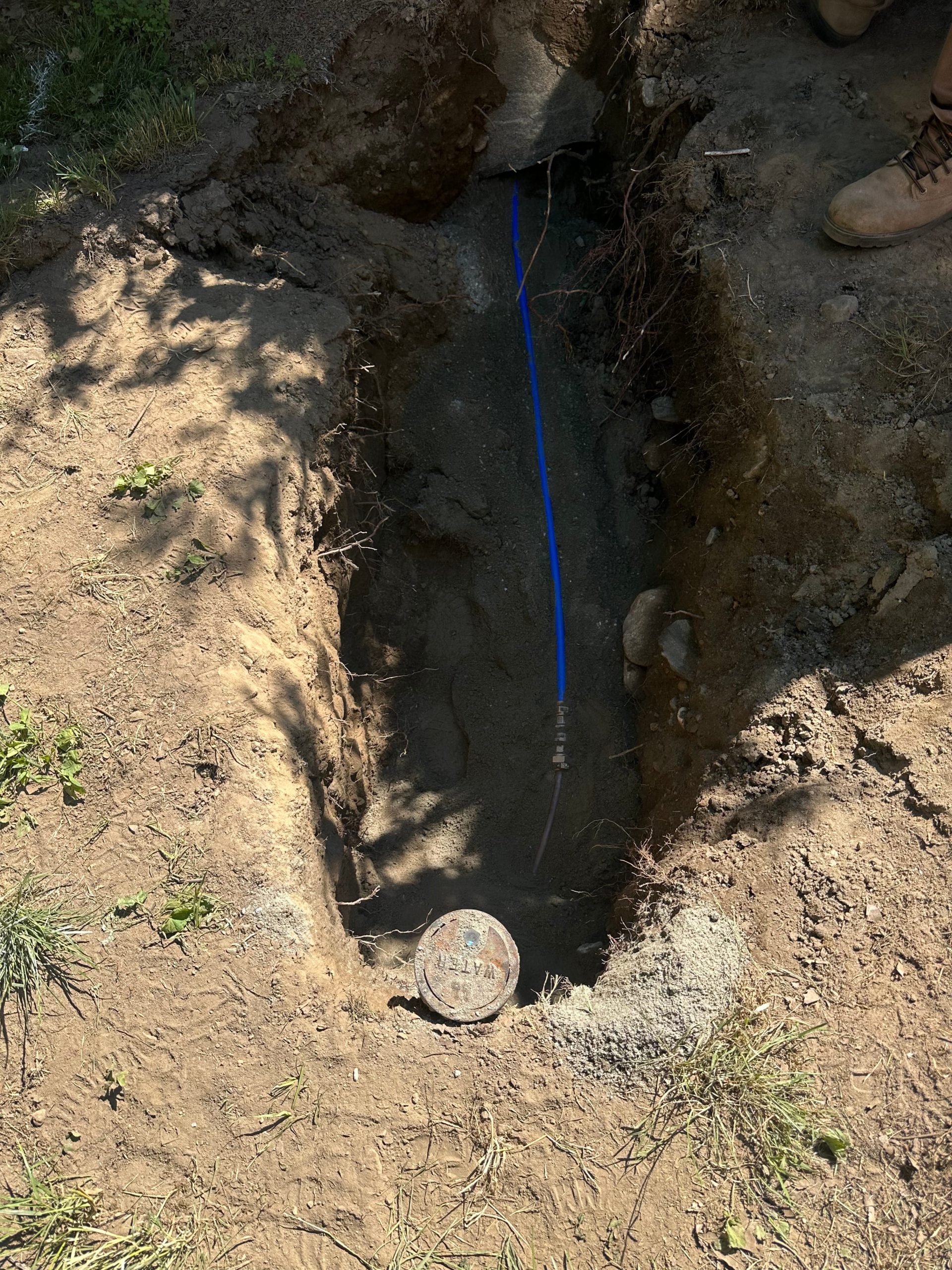
Water line pipe bursting is another effective trenchless technique used to replace damaged water lines. This method involves breaking apart the old pipe while simultaneously inserting a new pipe into the created space. A bursting head is pulled through the old pipe, which fractures it while allowing for the seamless installation of a new pipe behind it. This technique is particularly useful for severely damaged or collapsed pipes that cannot be repaired with lining.
Advantages of Water Line Pipe Bursting
Pipe bursting offers several key advantages over traditional replacement methods. It requires little to no excavation, preserving landscaping and existing structures. Additionally, it can be completed in a fraction of the time typically needed for conventional replacements, minimizing service disruption. Cost-effectiveness is another factor; many homeowners find that pipe bursting leads to lower overall repair costs due to reduced labor and excavation needs. Lastly, the new pipes installed through this method are often made of durable materials, ensuring longevity and continued performance.
Case Studies:
An examination of case studies related to trenchless methods in Connecticut demonstrates their effectiveness and practicality. For instance, a major municipal project implemented pipe bursting in a densely populated area, successfully replacing outdated water mains without disrupting local businesses or residences significantly. Similarly, a sewer lining project in a suburban neighborhood effectively addressed root intrusion and leaks, extending the system’s service life with minimal surface disruption. These cases illustrate the real-world benefits of trenchless technology, showing how it can solve common infrastructure challenges while minimizing the impact on communities.
What Are Trenchless Sewer Pipe Lining Techniques Used in Connecticut?
The primary trenchless techniques used in Connecticut include cured-in-place pipe (CIPP) lining and pipe bursting. CIPP lining is widely used due to its effectiveness in restoring the structural integrity of existing pipes while minimizing excavation. Pipe bursting, on the other hand, is ideal for complete replacements, particularly in cases where the existing pipes are too damaged for repairs. Both methods leverage advanced materials and technologies to provide reliable long-term solutions for aging sewer and water lines.
How Does Cured-In-Place Pipe Technology Restore Sewers?
Cured-in-place pipe technology, or CIPP, involves inserting a resin-saturated felt liner into the existing pipe. Once in place, the liner is inflated and cured, often with hot water or steam, transforming the resin into a hard, durable pipe. This process effectively seals leaks and forms a robust structural layer around the existing pipe. The CIPP method not only lengthens the lifespan of the sewer system but also enhances the flow characteristics by creating a smooth interior surface.
| Technique | Process | Benefit | Longevity |
|---|---|---|---|
| CIPP Lining | Inflatable liner with resin | Restores pipe integrity | 50 years+ |
| Pipe Bursting | Fractures old pipe while installing new | Seamless replacement | 50 years+ |
| Traditional Replacement | Excavation required | Complete replacement | Varies |
The benefits of CIPP technology extend beyond just repairs, significantly supporting sustainable infrastructure development and minimizing environmental disruption.
What Are the Benefits of No Dig Sewer Repair Methods in CT?
No dig methods, such as trenchless sewer pipe lining and pipe bursting, provide many advantages that make them attractive to property owners in Connecticut. The key benefits include:
- Minimally Invasive Nature: There is much less landscape disturbance compared to traditional repair methods.
- Cost-Effectiveness: Reducing excavation leads to lower labor costs and faster project completion times.
- Durability of Repairs: New materials used in trenchless repairs provide long-lasting solutions, often exceeding 50 years of lifespan.
These advantages ensure that property owners can maintain their plumbing systems efficiently, preserving property value and functionality.
How Does Water Line Pipe Bursting Work for Replacement in Connecticut?
The water line pipe bursting process begins with a small excavation at both ends of the existing water line. A bursting head is inserted into the pipe that needs replacement. As it is pulled through, the old pipe is fractured while simultaneously creating space for a new, durable pipe to be pulled in behind it. This method prevents the need for excessive digging and protects the surrounding environment.
What Is the Pipe Bursting Process Step-by-Step?
- Site Evaluation: Inspect the existing water line using diagnostic tools.
- Excavation: Locate and excavate small pits at both ends of the damaged line.
- Burster Insertion: Insert the bursting head into the existing pipe.
- Pipe Replacement: Pull the new water line through as the old pipe is fragmented.
- Testing: Conduct pressure tests to ensure the system is leak-free.
This step-by-step process is designed to ensure maximum efficiency while maintaining the highest quality standards.
How Is Trenchless Water Service Replacement Performed?
The trenchless water service replacement procedure involves similar fundamentals as pipe bursting, emphasizing the seamless transition to new infrastructure without significant disturbances. Properly trained technicians use specialized equipment to accomplish these tasks, ensuring minimal environmental impact while delivering a robust replacement.
What Is the Cost and Benefit Comparison of Trenchless vs. Traditional Sewer and Water Line Repairs in Connecticut?
When comparing the costs of trenchless versus traditional repairs, trenchless methods often yield lower overall expenses due to reduced labor and material costs. While initial pricing for trenchless repairs can be slightly higher, the long-term financial benefits from fewer required repairs and lower maintenance costs make it a cost-effective solution.
| Repair Type | Initial Cost | Long-term Savings | Longevity |
|---|---|---|---|
| Trenchless Repair | Higher Initial Cost | Significant savings over time | 50+ Years |
| Traditional Repair | Lower Initial Cost | Higher long-term costs due to maintenance | 20-30 Years |
This comparative analysis highlights the merits of investing in modern trenchless technology for sustainable infrastructure.
What Should Connecticut Property Owners Know When Choosing Pipe Bursting Contractors?
When selecting contractors for pipe bursting, property owners should consider a few essential factors:
- Experience: Look for contractors with demonstrated experience in trenchless methods.
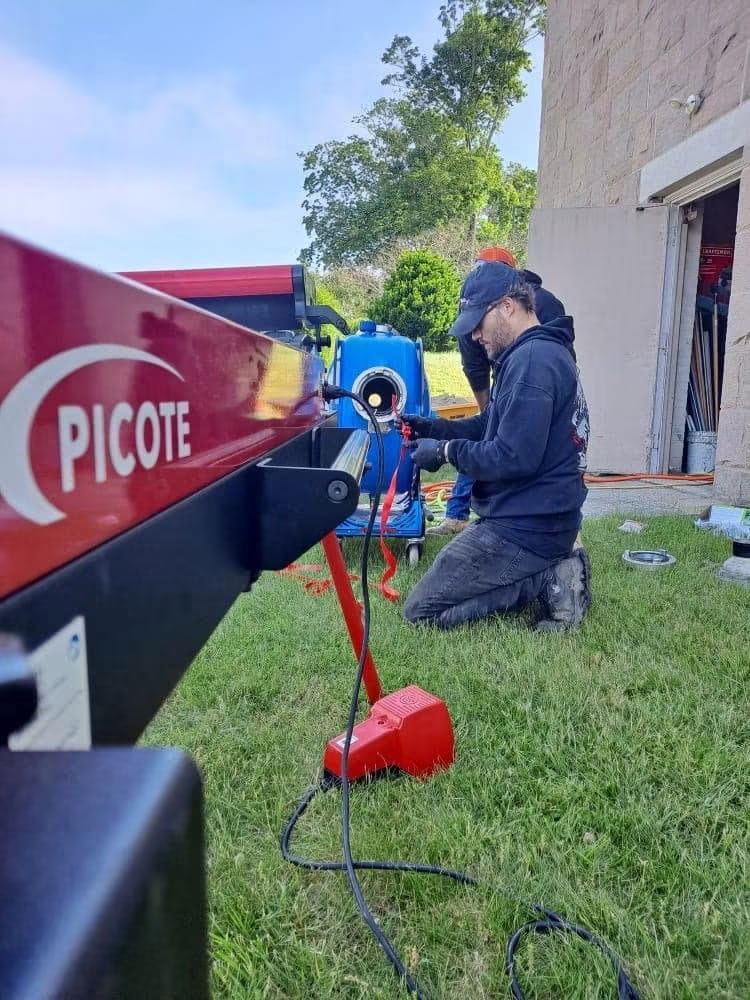
- Equipment: Ensure they use modern, well-maintained equipment.
- References: Ask for references or reviews to gauge their reputation.
Choosing the right contractor ensures a successful project outcome and longevity of the repairs.
Which Credentials and Experience Are Important for Contractors in CT?
It’s crucial for contractors to possess specific credentials when handling trenchless repairs:
- Licenses: Verify they have the necessary plumbing and construction licenses.
- Training: Ensure technicians are trained in trenchless techniques.
- Insurance: Confirm they are fully insured to protect against potential liabilities.
These factors contribute significantly to the professionalism and reliability of the work performed.
What Are the Environmental and Regulatory Considerations for Trenchless Pipe Repairs in Connecticut?
Environmental regulations in Connecticut often favor trenchless technology due to its reduced impact. Trenchless methods minimize land disturbance, protect local ecosystems, and generate less waste compared to traditional methods. Regulatory bodies often support the use of these methods to promote sustainable practices within the construction industry.
How Do Trenchless Methods Support Sustainable Infrastructure in CT?
Trenchless methods support sustainable infrastructure by offering solutions that are environmentally friendly and conserve existing landscapes. By requiring less excavation, these methods significantly decrease soil disturbance and can be executed with a focus on energy efficiency, benefiting both contractors and residents.
What Municipal Programs in Connecticut Promote Trenchless Rehabilitation?
Many municipalities in Connecticut have initiated programs to promote trenchless rehabilitation. These programs often offer financial incentives or grants to ensure that homeowners opt for environmentally sustainable repair methods. Homeowners should inquire with local government offices regarding the availability of these helpful resources.
What Are Common Questions About Trenchless Sewer and Water Line Repairs in Connecticut?
Common questions among Connecticut homeowners regarding trenchless repairs often revolve around the duration of the projects, potential disruptions, and costs involved. Addressing these concerns can help property owners feel more at ease about pursuing trenchless methods.
How Long Does Trenchless Water Line Replacement Take in Connecticut?
Typically, trenchless water line replacements can be completed in a single day, depending on the complexity of the job and accessibility. The efficiency of these methods allows for quick turnaround times, significantly reducing the timeline compared to traditional replacements.
Are Trenchless Sewer Repairs Safer and Less Disruptive Than Traditional Methods?
Yes, trenchless sewer repairs are often deemed safer and less disruptive than traditional excavation methods. The reduced need for digging decreases the risk related to underground utilities and property damage, allowing for safer job sites and less disruption in residential neighborhoods.